Faces as sculptures

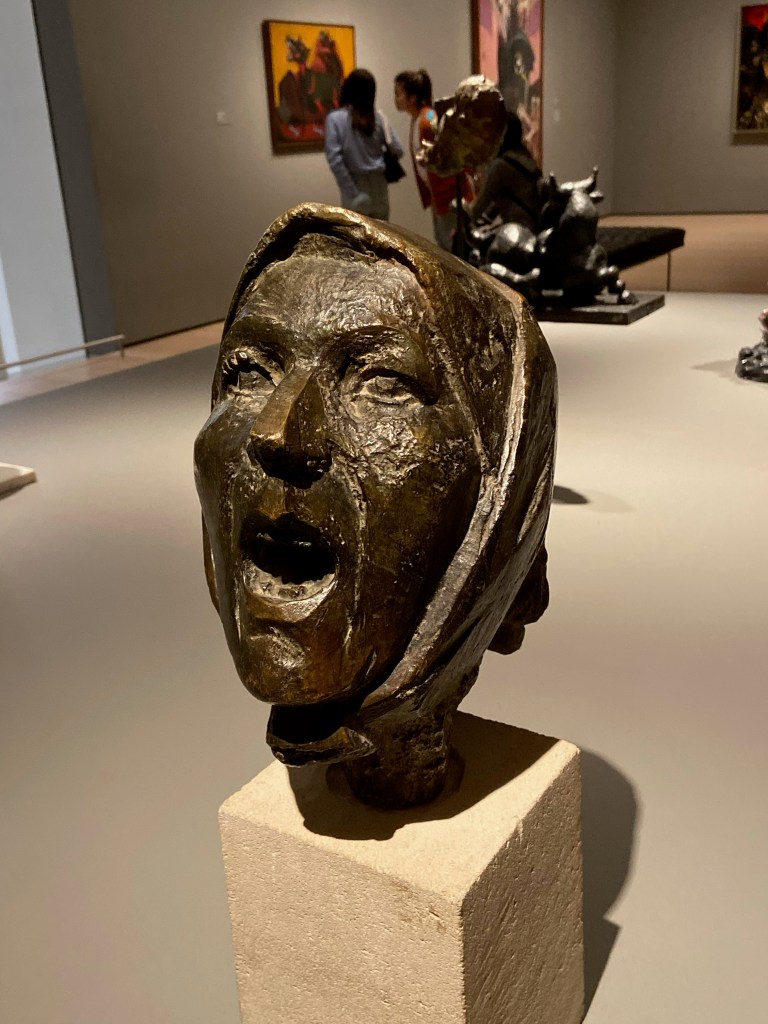
Walking through the new extension at the Moma I was became intrigued with artists’ rendering of portraiture through sculpting. I became interested and inspired to use them as ways supports for my own paintings, using them as a way of conveying the idea of a portrait through an artist’s rendering of what a portrait is.

The above image was made by Giacometti, the sense of pain embodied by the slim tortured face is something that I find deeply captivating.
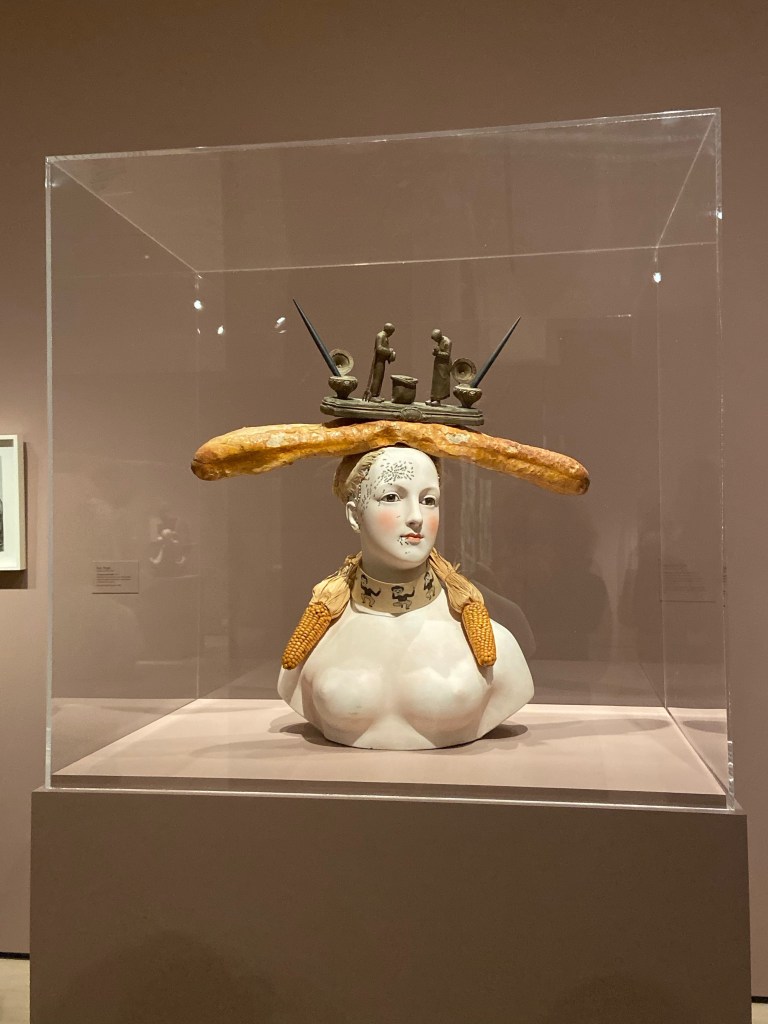
The above one was made by Dali is inspiring in the way in which it uses objects as a way of portraying symbology and allegorical turmoil.
Felix Vallotton and portraits

I went to see a Felix Vallotton show at the MET in New York, and I saw those brilliant Lino prints where one can see the mistakes he had made while in the process of sketching out. Some Linos end up having double faces and ghosts of previous images. I found those great inspiring within the previous context of the mistake within art that then turns out to make another, more interesting image.

Kara Walker – From black and white to living

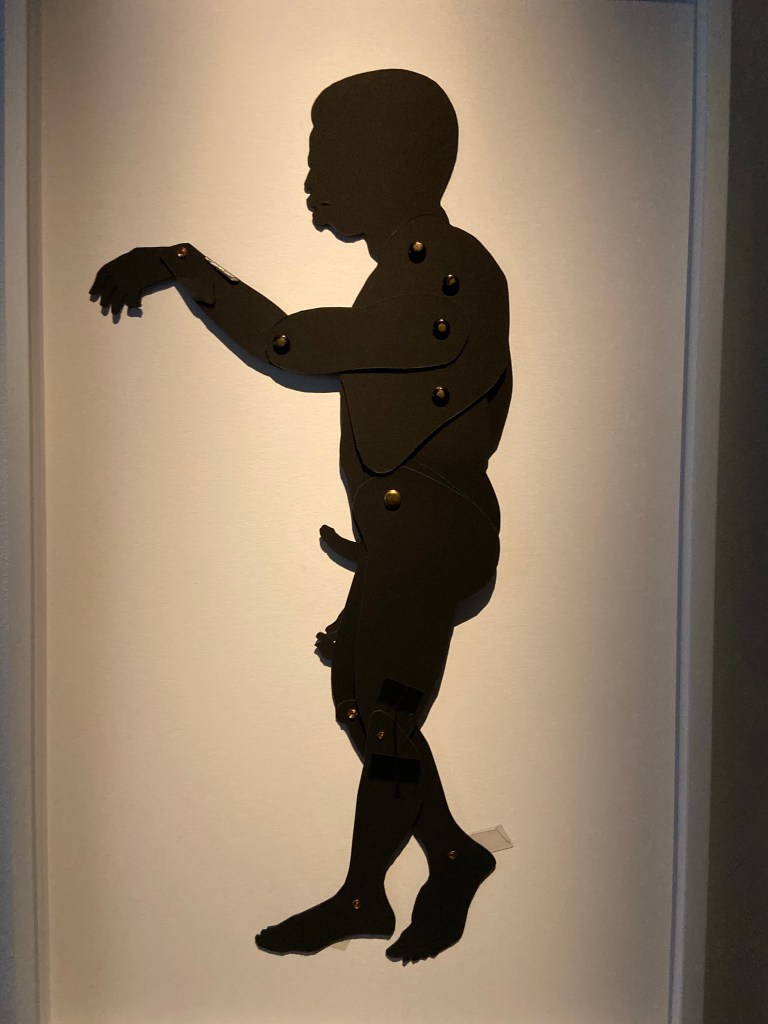
We visited the Kara Walker show at Sprueth Magers. I found her work extremely inspiring, in the sense that it played with shadows and silhouettes. I have been trying to represent that through my work, using the idea of an image, or its ghost as a way of being.

I find this particular show of hers extremely inspiring in the sense that she takes the viewer from black and white to colour. I have found myself in a similar situation in my own practice, aiming to incorporate elements of colour in an otherwise very monochromatic palette.

Epic Failure Lecture

In this lecture, Adam told us about failures, and their positive aspects. It was a very alleviating lecture, especially given the amount of failures that I had encountered in the past few weeks with my work.

The three main points of the discussion revolved around:

1 -What is Failure

2- What does it mean to fail

3-Failure as a method

It touched on meme culture and the philosophy of laughing, who and what governs failure, codes of success and looking at failure as a utopia.

I was particularly interested in the concepts of failure amateurism and capitalist realism. I wrote down “failure as a weapon to the weak” and “rejection of logic of failure”.

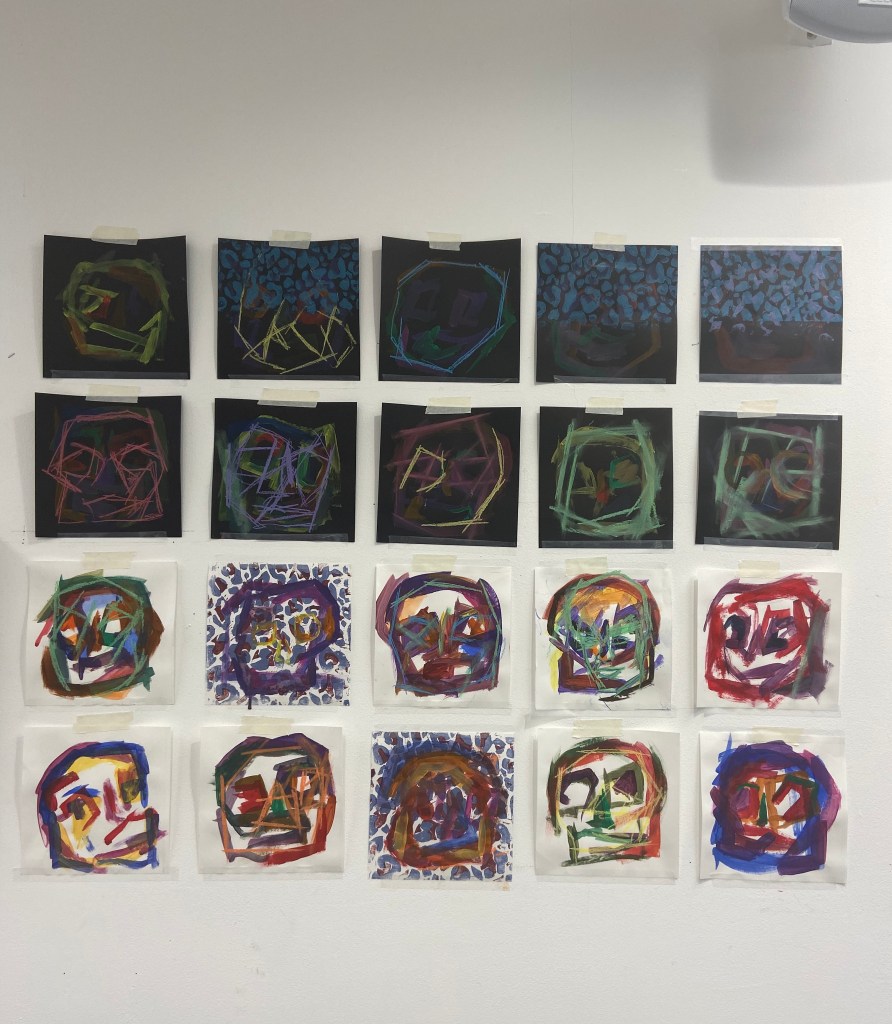
Adam finished the lecture by telling us to grab a piece that we had made and purposefully make it fail, which was a great relief of an experience. I took my full length portrait of “Black Cowboy” that I had made for a previous project and scribbled it in bright colours. Strangely enough it was less of a failure than the work I had made during that past week.

I found that I could adapt the language that I had been talking about in this very specific way, applying layers of “scribbles”, I am one step closer to what I wish to achieve.

Adam Tutorial – Katy Moran and Karla Black

During our tutorial, Adam spoke about colleges in the States that I could do an MA in.

He mentioned that I should look at the work of Katy Moran, her use of an open plane and the aesthetic of domesticity as linked to feminism. He told me to be critical of the materials I use in relation to the themes approached.

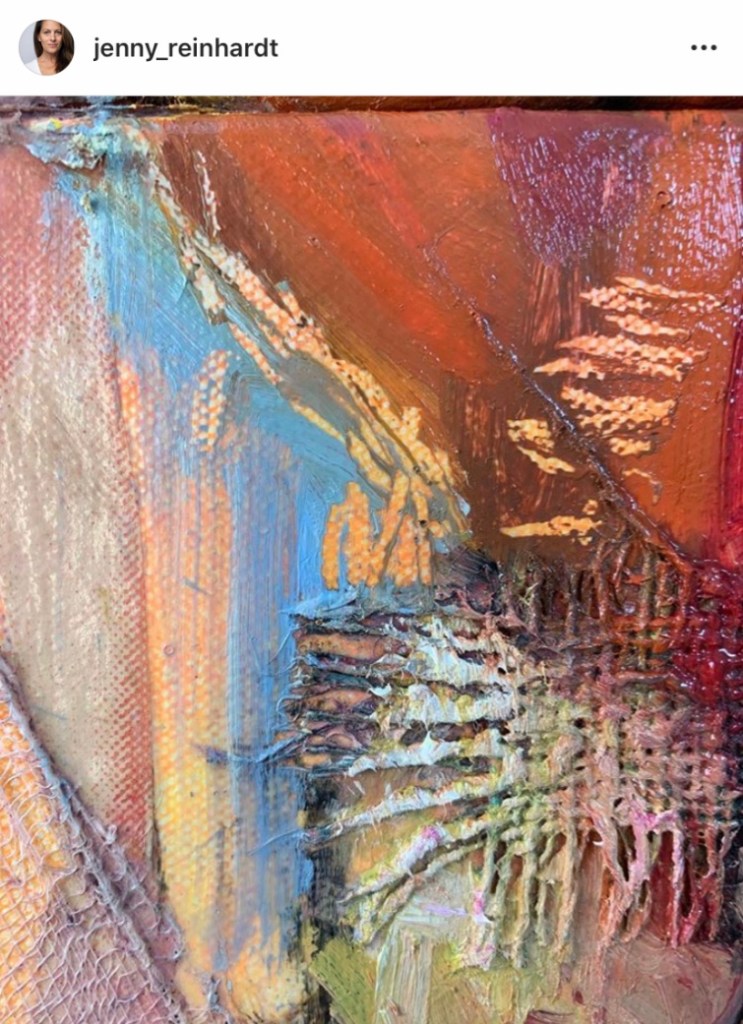
abstract painting

Karla Black

Karla Black Doesn’t Care In Words 2011 (detail), Cellophane, paint, Sellotape, sugar paper, chalk, powder paint, plaster powder, wood, polystyrene, polythene, thread, bath bombs, petroleum jelly, moisturising cream, Dimensions Variable. Photo: Colin Davison, Courtesy the artist and Galerie Gisela Capitain, Cologne

In 2011 Black was shortlisted for the Turner Prize, installing two artworks into Gatehead’s Baltic Centre for Contemporary Art – Doesn’t Care in Words and More of the Day, 2011. The huge, sprawling installation comprised enormous sheets of crumpled sugar paper and paint splattered cellophane, combined with pastel coloured powders made from crushed bath bombs. This sensory, all-encompassing work straddled between an overpowering strength of scale and a fragility of form, as if it was about to collapse in on itself. (national galleries of Scotland).

Tate Modern visit – Nam June Paik

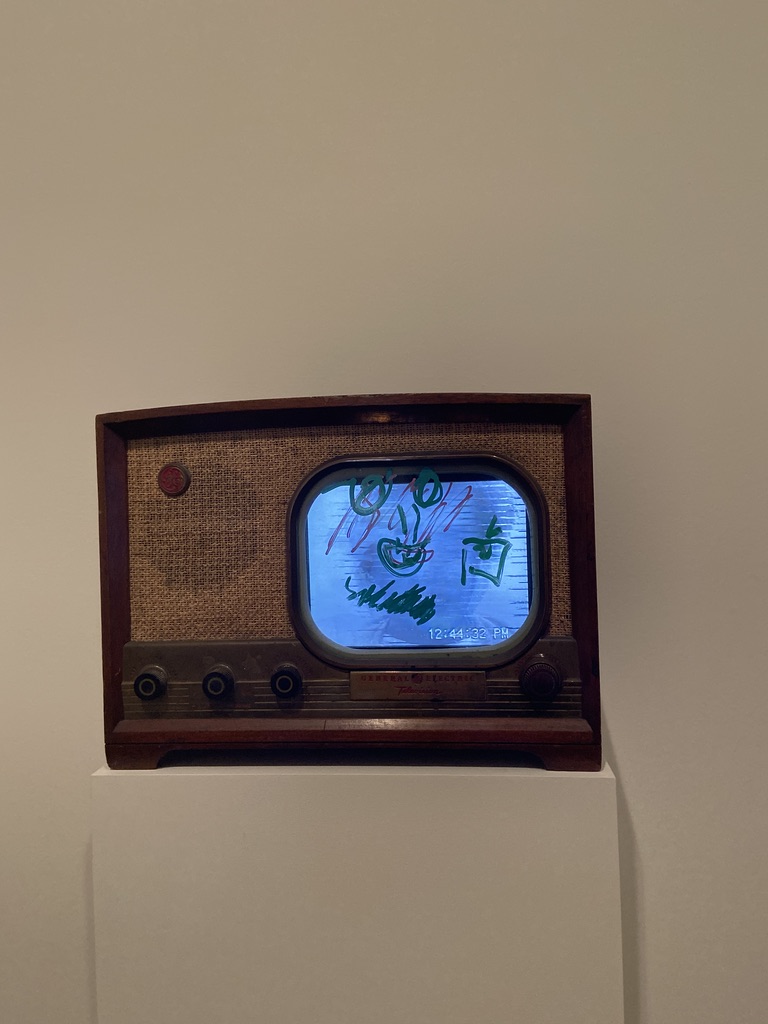
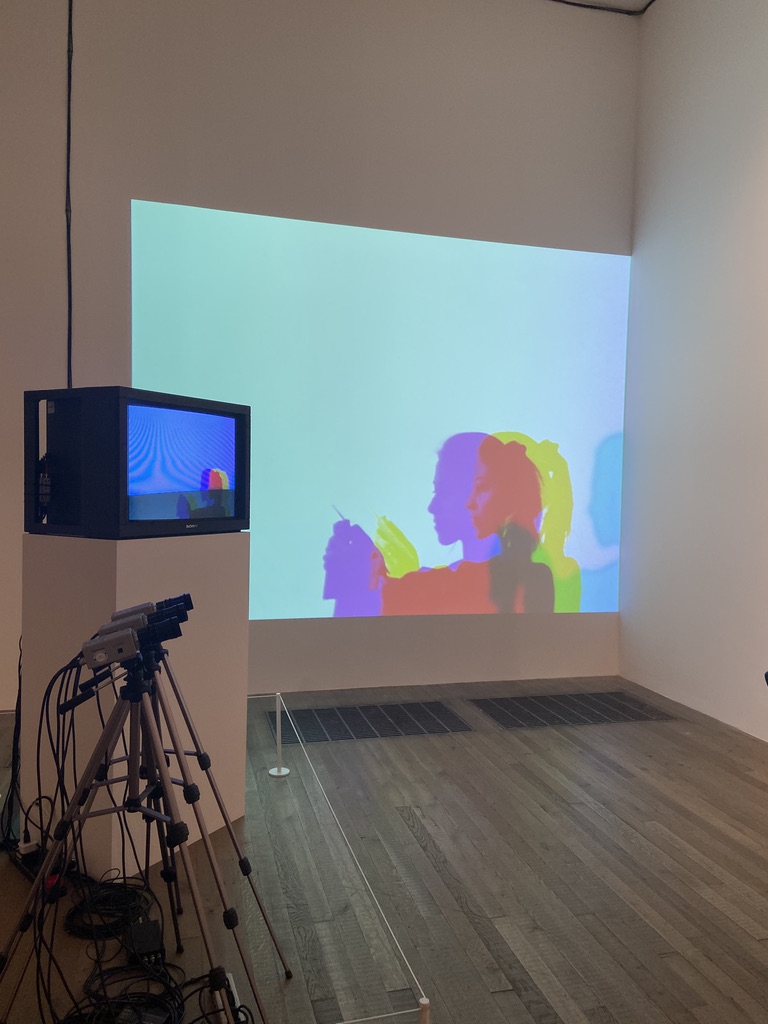
I found Nam June Paik’s work interesting in the way in which it layered video work, his superimposition of colours and video installations were extremely eye opening. It gave me ideas to potentially branch out and use video as way of creating compositional layerings.

In the image below, I found his way of painting on screen extremely captivating. It made me think that I could do that with old images and bulled out photos.